

النيتروسليلوز: مادة متعددة الاستخدامات عالقة بين الذخيرة والأحبار
Jan 15, 2026
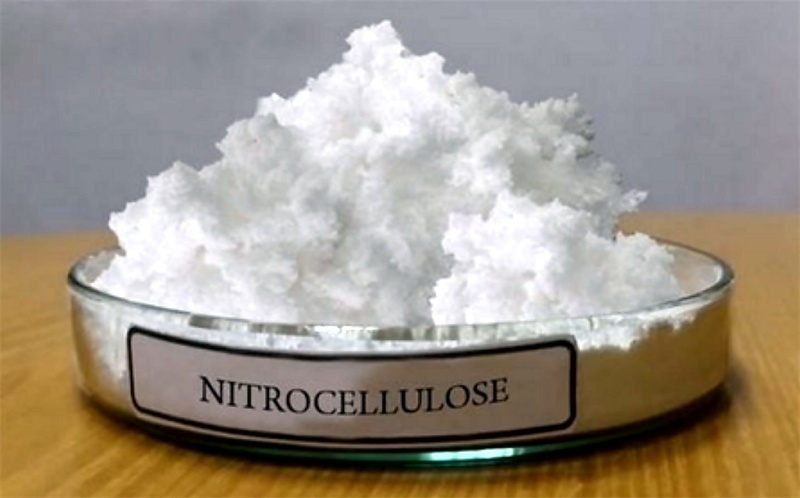
تحتل مادة النيتروسليلوز (NC)، وهي مشتق سليلوزي متعدد الاستخدامات يُصنّع من خلال نترجة ألياف السليلوز باستخدام مزيج من حمضي النيتريك والكبريتيك، مكانةً فريدةً وحيويةً في صناعتين عالميتين تبدوان متباينتين: الصناعات الدفاعية والطباعة التجارية. في التطبيقات العسكرية، تُعدّ النيتروسليلوز مكونًا أساسيًا في إنتاج المواد الدافعة عديمة الدخان والمتفجرات وشحنات قذائف المدفعية، نظرًا لقيمتها العالية من حيث كثافة الطاقة وخصائص احتراقها القابلة للتحكم. في المقابل، في المجال الصناعي، تعمل النيتروسليلوز كمادة رابطة لا غنى عنها في تركيبات الأحبار والطلاءات القائمة على المذيبات، وخاصةً في عمليات الطباعة الفلكسوغرافية والحفرية. تضمن قدرتها الاستثنائية على تسهيل التبخر السريع للمذيبات أوقات تجفيف سريعة، ووضوحًا ممتازًا للطباعة، والتصاقًا قويًا بالركيزة، ولمسة نهائية شديدة اللمعان، مما يجعلها المادة المفضلة للإنتاج عالي السرعة للعبوات المرنة والملصقات والسلع المصفحة المختلفة.
التحول الجيوسياسي: تصاعد الطلب العسكري ونقص الموارد الصناعية
أدى المشهد الجيوسياسي الراهن، الذي يتسم بنزاعات طويلة الأمد كالحرب في أوكرانيا، وتزايد الاستعدادات الأمنية بين دول حلف شمال الأطلسي والاتحاد الأوروبي، إلى ارتفاع كبير ومستمر في الإنفاق الدفاعي العالمي. وقد نتج عن ذلك زيادة هائلة في الطلب على النيتروسليلوز المستخدم في الصناعات العسكرية. واستجابةً لذلك، يعيد منتجو النيتروسليلوز توجيه طاقاتهم الإنتاجية وسلاسل التوريد الخاصة بهم استراتيجياً لإعطاء الأولوية لطلبات الذخائر والمواد المتفجرة. ويتجلى هذا التحول الاستراتيجي في تحركات مؤسسية هامة ضمن قاعدة التوريد، بما في ذلك استحواذ شركات المقاولات الدفاعية على شركات متخصصة في إنتاج النيتروسليلوز.
نتيجة مباشرة لهذا التحول في الإمدادات، يشهد سوق نيتروسليلوز الصناعي انكماشًا سريعًا، مما يؤدي إلى تحديات جسيمة في عمليات الشراء وارتفاع غير مسبوق في التكاليف بالنسبة للمستخدمين النهائيين في قطاعي الطباعة والتغليف. وتشير تحليلات السوق إلى أن أسعار نيتروسليلوز قد ارتفعت بأكثر من 50% في مناطق رئيسية منذ منتصف عام 2024. وقد أجبر هذا الضغط الحاد على التكاليف كبرى شركات تصنيع الأحبار العالمية، بما في ذلك صن كيميكال، وفلينت جروب، وهوبر جروب، على تطبيق زيادات متتالية في أسعار منتجاتها التي تحتوي على نيتروسليلوز. ويزداد الوضع تعقيدًا بسبب التعقيدات اللوجستية والقيود التنظيمية القائمة المتعلقة بنقل وتخزين نيتروسليلوز، مما يخلق وضعًا بالغ الخطورة يُسبب اضطرابًا في سلسلة التوريد للصناعات المدنية.
الدور الذي لا غنى عنه للتحكم الرقمي في الطباعة الحديثة
يرجع اعتماد صناعة الطباعة على النيتروسليلوز إلى أدائه المتميز الذي لا يُضاهى. وباعتباره العامل الأساسي لتكوين الأغشية في الأحبار المذيبة، يُتيح النيتروسليلوز كفاءة تشغيلية عالية. ويُعدّ إطلاقه السريع للمذيبات عاملاً بالغ الأهمية لتحقيق سرعات طباعة عالية في الطباعة الفلكسوغرافية والطباعة الغائرة، وهما تقنيتان سائدتان في إنتاج عبوات المواد الغذائية، وملصقات المنتجات الاستهلاكية، والمواد الترويجية. علاوة على ذلك، توفر الأحبار القائمة على النيتروسليلوز قوة ربط استثنائية مع مجموعة واسعة من المواد، بما في ذلك أغشية البولي أوليفين المعالجة، والبوليستر، والأسطح المعدنية، مع الحفاظ على حيوية الألوان وثباتها، بالإضافة إلى أسطح لامعة ومتينة تلبي توقعات العلامات التجارية والمستهلكين. وقد جعل هذا المزيج من الخصائص الوظيفية تركيبات النيتروسليلوز حجر الزاوية في طباعة التغليف لعقود. مع ذلك، فإن طبيعة النيتروسليلوز "ذات الاستخدام المزدوج"، التي كانت تُعدّ دليلاً على تنوّع استخداماته، أصبحت الآن نقطة ضعف كبيرة، إذ تربط استقرار إمدادات قطاع الطباعة التجارية بتقلبات مشتريات الدفاع العالمية.
الابتكار تحت الضغط: صعود البدائل عالية الأداء الخالية من النيتروسليلوز
في ظل استمرار انعدام الأمن في الإمدادات وارتفاع التكاليف، يُكثّف مُصنّعو الأحبار وشركات الكيماويات جهودهم في البحث والتطوير والتسويق التجاري لإيجاد بدائل فعّالة خالية من النيتروسليلوز. والهدف هو هندسة أنظمة أحبار من الجيل التالي تُضاهي أو تتجاوز معايير الأداء التي وضعتها المنتجات التقليدية القائمة على النيتروسليلوز، مع التخلص من الاعتماد على هذه المادة الخام المُتنازع عليها. وتعتمد البدائل الأكثر تطورًا ونجاحًا تجاريًا على تركيبات كيميائية متطورة لراتنجات البولي يوريثان. وقد أطلقت شركات مثل INX International وFlint Group وSiegwerk سلاسل شاملة من أحبار الطباعة الفلكسوغرافية والحفرية القائمة على البولي يوريثان، مثل سلسلة Innova Plus NCF من INX ومنصة Vertix® من Flint، والتي تُحاكي بنجاح خصائص سرعة الجفاف والالتصاق وأداء الاستخدام النهائي لأحبار النيتروسليلوز السابقة.
لا يقتصر هذا التحول على مجرد استبدال المواد الخام، بل يُستغل لتعزيز أهداف الاستدامة الأوسع نطاقًا ضمن سلسلة قيمة التغليف. غالبًا ما تُصمم أنظمة الحبر الحديثة الخالية من النيتروسليلوز مع مراعاة قابلية إعادة التدوير المُحسّنة، ولا سيما دعم إعادة التدوير الميكانيكية للأغشية البلاستيكية من خلال تحسين خصائص غسل المواد المطبوعة. ويتماشى هذا استراتيجيًا مع الأطر التنظيمية الصارمة مثل لائحة التغليف ونفايات التغليف (PPWR) الصادرة عن الاتحاد الأوروبي، والتي تُلزم بزيادة استخدام المحتوى المُعاد تدويره وتشجع على تصميم المنتجات بما يُراعي قابلية إعادة التدوير. لذلك، يُنظر إلى التحول إلى تركيبات خالية من النيتروسليلوز بشكل متزايد ليس فقط كخطة طوارئ لسلسلة التوريد، بل كخطوة استشرافية نحو مزيد من الاقتصاد الدائري والامتثال البيئي.



 دعم شبكة IPv6.


